Immediate payment
The full freight charge is collected before the shipment is dispatched, so the goods move on money that has already cleared rather than on an invoice sent afterwards.
Register and use this workflowMoney first. Dispatch second.
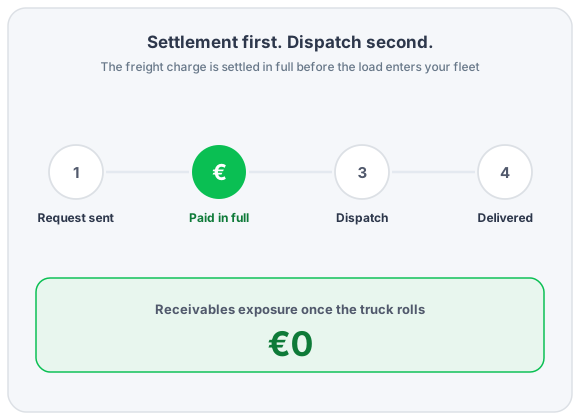
Immediate payment means the request is paid in full before the shipment is dispatched. The two sides agree it on the shipment, the shipper pays it, and the goods move afterwards.
Standard payment terms in European road freight run from 30 to 60 days after proof of delivery, and the wait is funded by whoever raised the invoice. Immediate payment moves that date to before dispatch, so the freight charge is not outstanding while the shipment runs.
The reality of European freight fraud
Organised criminal networks now deploy AI-generated credentials, forged CMRs, and synthetic identities to impersonate legitimate carriers. Immediate payment adds a financial check that does not depend on the counterparty being who they say they are.
When to use immediate payment
This is the workflow to propose on the shipments where the freight charge should not be left outstanding while the goods are moving.
First-time counterparties
There is no payment history with the company on the other side of the shipment, so there is nothing yet to set terms on.
High-value consignments
The freight charge is large enough that carrying it unpaid for a month would show up in your own cash position.
Higher-risk corridors
Some lanes and jurisdictions carry more fraud and more non-payment. Collecting before dispatch keeps that question off the shipment.
Companies in another country
Recovering an unpaid invoice in another jurisdiction is slow and expensive. Collecting first means not having to.
How immediate payment works
Five steps from request to dispatch, with the freight charge already captured.
Accepted payment methods
The shipper chooses how to pay. The funds reach you the same way whichever they pick.
Corporate credit & debit cards
Visa, Mastercard, American Express, authorised at the moment of payment.
Digital wallets
Apple Pay, Google Pay, and supported enterprise digital wallet solutions for rapid freight payment.
Buy now pay later
Klarna and comparable providers. The shipper spreads the cost over time; the freight charge reaches you in full at the time of payment.
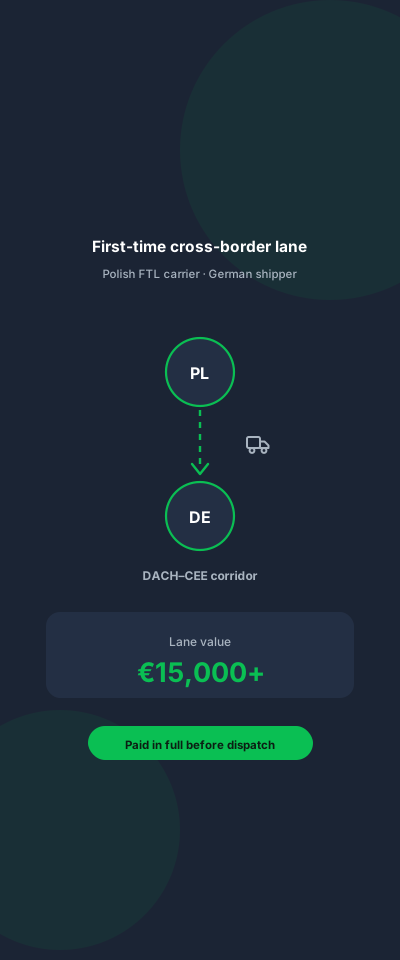
First cross-border run with a new partner: €15,000+ freight rate
A Polish FTL carrier accepts a consignment from a German shipper on the DACH–CEE corridor for the first time. The freight charge is over €15,000.
There is no payment history between the two companies, so they agree immediate payment on the shipment instead of invoicing after delivery.
The shipper pays by corporate card. Confirmation arrives within minutes, before the truck leaves the depot.
Collect the freight charge before the shipment moves
Register, clear verification, and agree immediate payment on the shipments where the freight charge should not wait.